
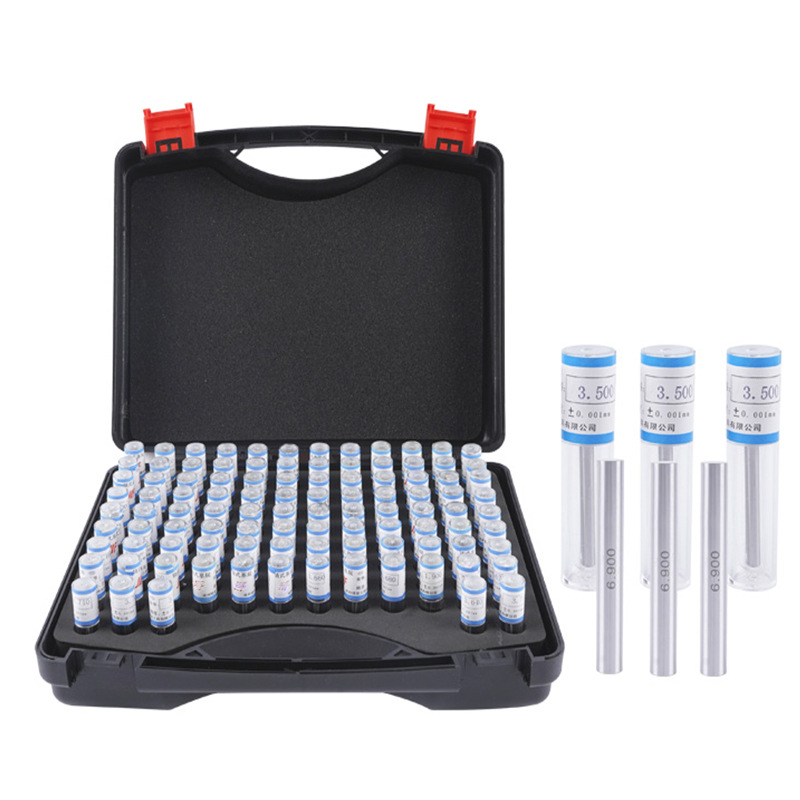
types of tempered glass
Der Rechtswinkel-Richtwerkzeug Ein unverzichtbares Hilfsmittel für Präzision und Genauigkeit In der Welt des Handwerks und der Bauindustrie ist Präzision von größter Bedeutung. Ein Werkzeug, das in diesem Zusammenhang unentbehrlich ist, ist das Rechtswinkel-Richtwerkzeug. Dieses einfache, aber äußerst effektive Instrument spielt eine entscheidende Rolle bei der Sicherstellung von rechten Winkeln und korrekten Messungen in allen Arten von Bauprojekten. . Traditionell besteht das Rechtswinkel-Richtwerkzeug aus einem stabilen Material wie Aluminium oder Stahl und hat die Form eines „L“. Die beiden Schenkel sind in der Regel unterschiedlich lang, um eine Vielzahl von Anwendungen zu ermöglichen. Einige moderne Varianten sind mit Wasserwaagen oder Laserlinien ausgestattet, um die Genauigkeit weiter zu erhöhen. Diese Funktionalitäten erweitern die Nutzungsmöglichkeiten und machen das Werkzeug noch vielseitiger. right angle ruler tool Die Verwendung des Rechtswinkel-Richtwerkzeugs ist relativ einfach. Zunächst wird der lange Schenkel an die Basis, wie beispielsweise einen Holzbalken, angelegt. Der kürzere Schenkel wird dann verwendet, um eine Linie zu ziehen oder einen Schnitt vorzunehmen, der sich exakt im rechten Winkel zur Basis befindet. Diese Methode gewährleistet, dass alle Elemente eines Projektes perfekt ausgerichtet sind und die besten Ergebnisse erzielt werden. Ein weiterer wichtiger Aspekt ist die Möglichkeit, das Rechtswinkel-Richtwerkzeug als Hilfslinie für präzisere Bohrungen zu verwenden. Wenn Handwerker beispielsweise Löcher in Holz bohren müssen, können sie den rechten Winkel verwenden, um sicherzustellen, dass die Löcher in einem exakten Verhältnis zueinander stehen. Darüber hinaus findet das Rechtswinkel-Richtwerkzeug auch Anwendung in der Inneneinrichtung. Bei der Montage von Regalen, Bildern oder anderen dekorativen Elementen sorgt es dafür, dass alles perfekt ausgerichtet ist, was zu einem harmonischen Gesamtbild beiträgt. Zusammenfassend lässt sich sagen, dass das Rechtswinkel-Richtwerkzeug ein unverzichtbares Werkzeug für jeden Handwerker ist, gleichgültig ob Profi oder Amateur. Mit seiner Hilfe können Projekte effizienter, genauer und mit einer Vielzahl von Anwendungen abgeschlossen werden. Für jeden, der sich ernsthaft mit Handwerk oder Bau beschäftigt, ist es ein Werkzeug, das in jeder Werkzeugkiste vorhanden sein sollte.
about
types of tempered glass
Replacing a Water Shut-off Valve A Step-by-Step Guide Water shut-off valves are essential components in any plumbing system. They control the flow of water into your home, allowing you to stop the water supply during repairs or emergencies. Over time, these valves can become corroded or fail, necessitating a replacement. This article provides a detailed guide on how to replace a water shut-off valve. 1. Gather Your Tools and Materials Before you begin the replacement process, ensure you have all the necessary tools and materials. You will need - A new shut-off valve (make sure it matches the size and type of the existing valve) - A pipe wrench or adjustable wrench - Teflon tape - A bucket (to catch any water) - Towels or rags - A hacksaw (if the old valve needs cutting off) 2. Shut Off the Main Water Supply Start by turning off the main water supply to your home. This is typically located near the water meter. Open faucets at the highest and lowest points of your home to relieve any pressure and drain the system. Be prepared with a bucket to collect any residual water. 3. Locate the Shut-off Valve Identify the location of the shut-off valve you plan to replace. It is usually found on the water supply line leading to appliances or fixtures, such as sinks, toilets, or laundry machines. replace water shut off valve 4. Remove the Old Valve Using the pipe wrench, carefully loosen and remove the old valve. If it’s difficult to remove, you may need to cut it out using a hacksaw. Take your time to avoid damaging the connecting pipes. Once removed, clean the threads of the pipe to ensure a proper seal with the new valve. 5. Install the New Valve Wrap Teflon tape around the threads of the new shut-off valve to prevent leaks. Attach the valve to the pipe using your wrench, turning it clockwise. Make sure it’s secured but be careful not to overtighten, which could cause damage. 6. Test for Leaks Once the new valve is installed, turn the main water supply back on and check for leaks. Open and close the new valve to ensure it operates correctly. If there are any leaks, tighten the connections gently. Conclusion Replacing a water shut-off valve is a manageable DIY project that can save you money and prevent future water damage. By following these steps carefully, you can ensure a successful installation that maintains the integrity of your plumbing system. Regular maintenance and timely replacement of valves can help keep your home safe and dry.
-

High quality industrial productsagement

High quality industrial products
View Details -

Meet the diverse needs of customers

Meet the diverse needs of customers
View Details -

Strict quality control

Strict quality control
View Details -

Top raw materials

Top raw materials
View Details -

Trusted supplier

Trusted supplier
View Details
Our application


news and information

válvula de retenção do pistão
Válvula de Chegada com Pistão Um Componente Essencial na Indústria As válvulas de chegada, especialm

Valve Selection Guide for Industrial Applications
As a leading wholesaler in industrial equipment, Storaen (Cangzhou) International Trading Co. unders

Y Type Strainer Filter for Efficient Fluid Filtration Solutions
Understanding Y-Type Strainer Filters A Comprehensive Guide In various industrial applications, main
 English